
Maine winters bring snowstorms, ice, freezing temperatures, and plenty of freeze-thaw cycles. If your roof already has weak spots, winter tends to expose them quickly. Use this checklist to get ahead of the season.
1. Give Your Roof a Once-Over
- Check for damaged shingles: Look for shingles that are missing, cracked, or curling.
- Inspect flashing and seals: Pay close attention to chimneys, vents, and skylights.
- Watch for sagging: Any visible dip can point to structural trouble that should be handled before snow load adds more stress.
2. Clean Out the Gutters
Clogged gutters are one of the fastest ways to create ice dam trouble. Remove leaves and debris so meltwater can move away from the roofline instead of backing up under shingles.
3. Trim Overhanging Branches
Snow-covered limbs can snap onto your roof during a storm. Trim branches back now to reduce the chance of impact damage.
4. Improve Attic Insulation and Ventilation
Warm attic air contributes to uneven roof temperatures, which can melt snow and trigger ice dams. Better insulation and ventilation help keep the roof deck colder and drier.
5. Install Ice and Water Shields
These protective membranes add defense along eaves, valleys, and around roof penetrations. They are especially helpful in areas prone to repeated ice buildup.
6. Consider Roof Heating Cables
If your home deals with persistent ice dam problems, heating cables can help control buildup along the roof edge. They need to be installed and used correctly to work safely.
7. Fix Small Problems Now
Replace damaged shingles, seal minor leaks, and tighten up flashing before those issues get exposed to months of winter weather.
8. Get a Pro's Opinion
A roofing professional can spot warning signs you may miss from the ground and recommend the smartest fixes before winter conditions make repairs harder.
9. Prepare for Snow Removal
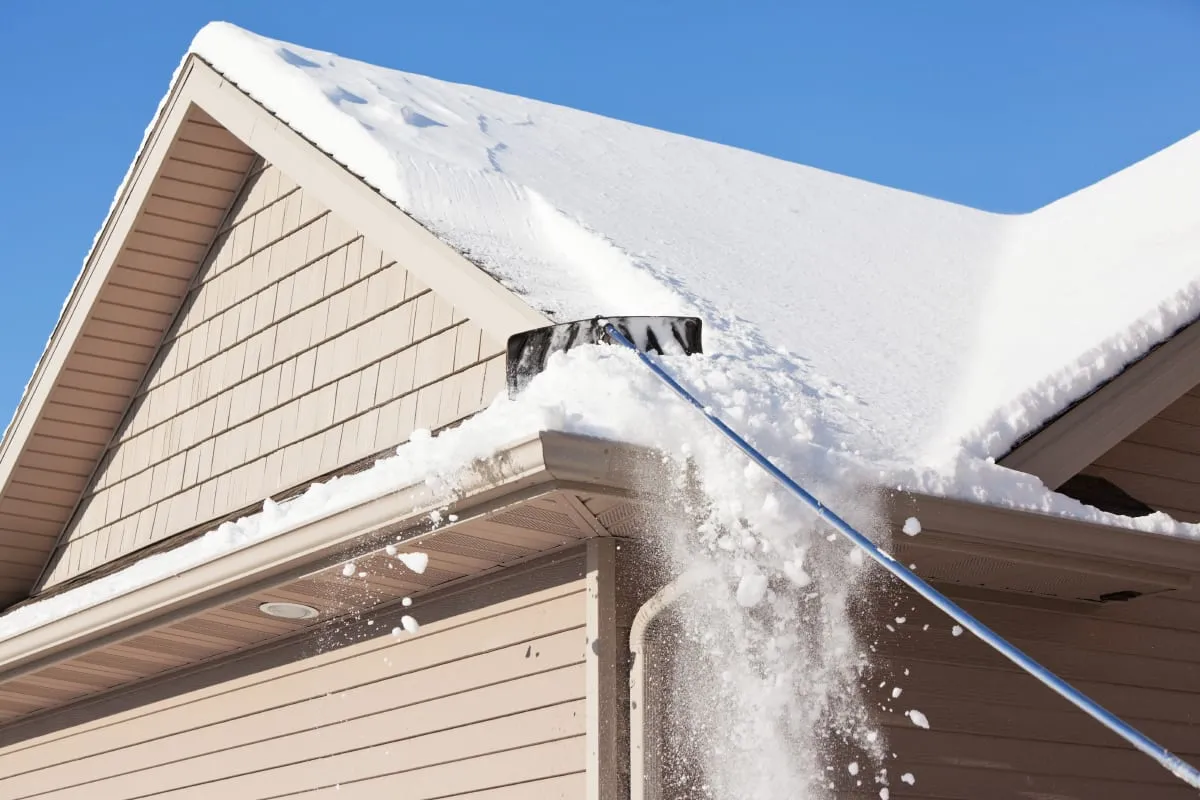
Keep a roof rake handy and know when to call for help. Heavy, wet snow can become a structural concern quickly.
10. Review Your Insurance Coverage
Before winter starts, confirm what your policy covers for storm damage, leaks, and other seasonal roofing problems. Keep notes and photos of your roof's current condition.
A little prevention in fall can save you from emergency repairs in January.